Showing posts with label hidesubpost. Show all posts

A Nibble of Ilocos: Hidden Garden of Vigan

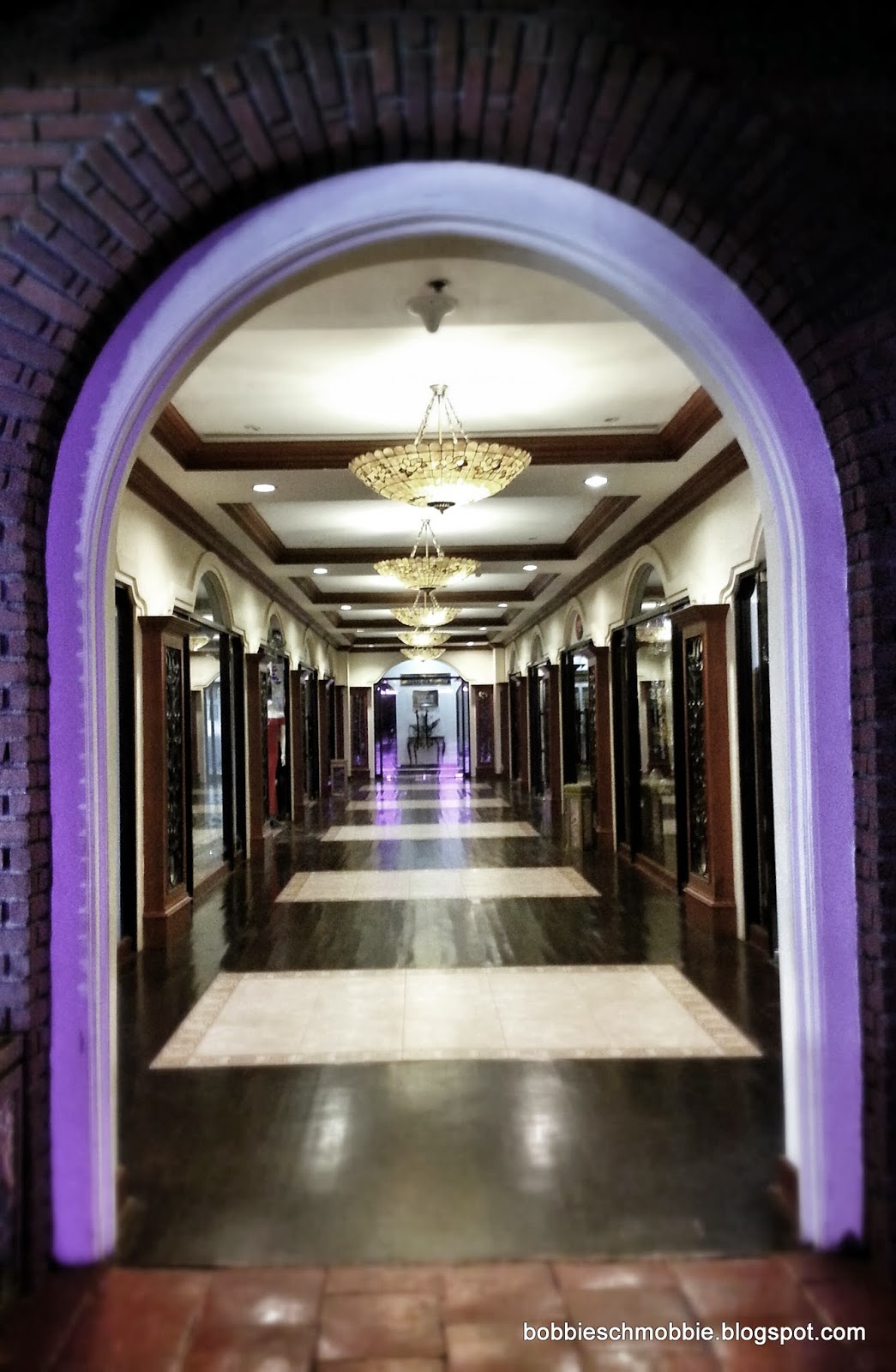
True to its name, the Hidden Garden is located deep within the heart of Brgy. Bulala of Vigan, Ilocos Sur. From Baluarte, it took a while before we got to the restaurant. They weren't kidding when they said it was 'hidden.' :P

Hidden Garden of Vigan
Hidden Garden

Of Sunsets, Sands, and Saud Beach

To end our second day in Ilocos, we checked in at the Rinnovati in Pagudpud to experience the growing-famous Saud Beach.  This beach is considered by many as the "Boracay of the North" because of its powdery white sand.

Before getting to the accommodation, we dropped by at the town's marketplace to buy food we can cook at the resort. We proceeded to the Pagudpud Rinnovati before sun down. The Rinnovati is housed within a compound of lodgings along Saud Beach. Right after finalizing our room assignments and setting down our bags, our group went to the beach for a quick afternoon dip.

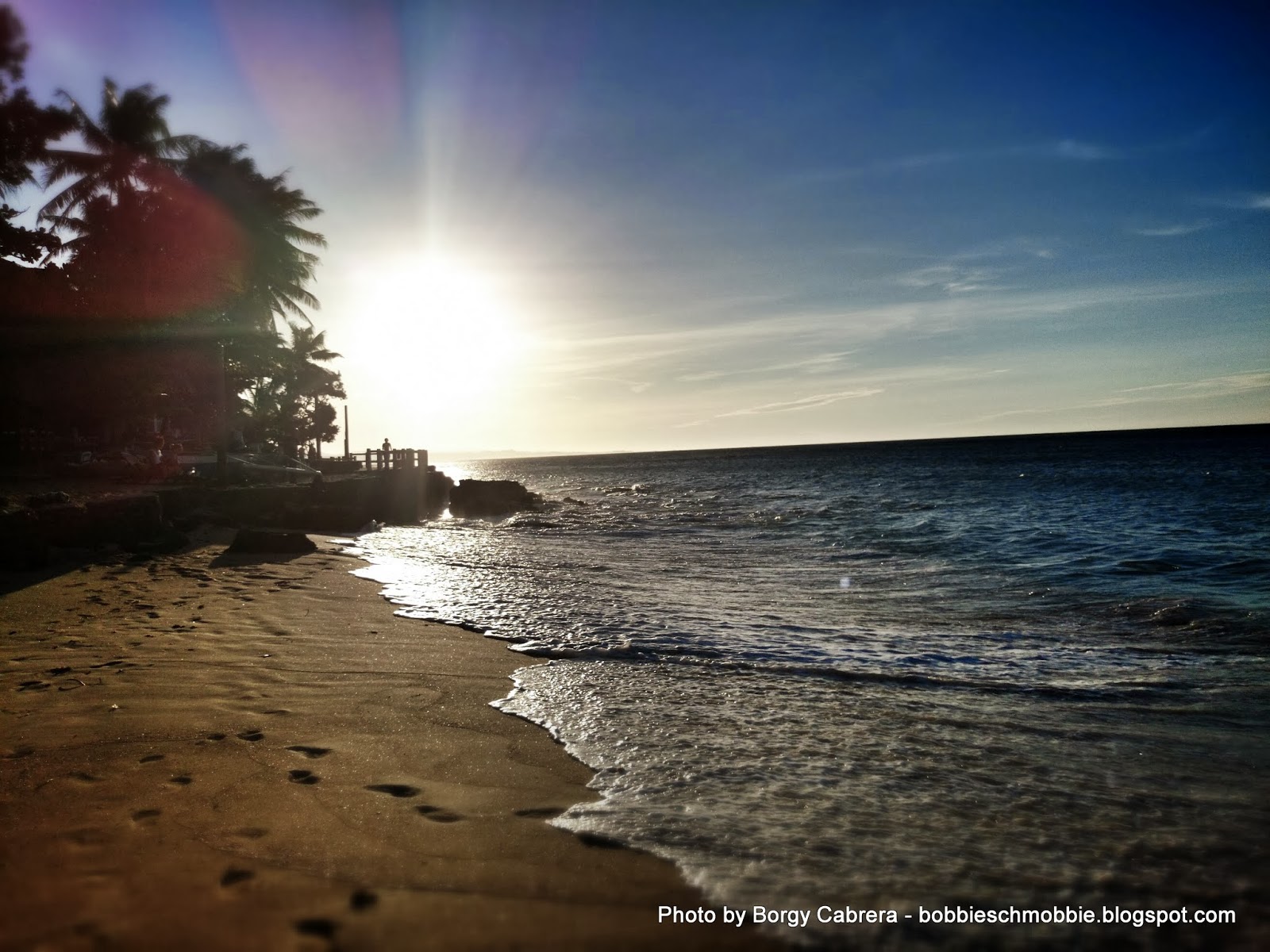
Saud Beach, Pagudpud, Ilocos Norte

Personally, I do not think the sand of Saud Beach were as white as that of Siquijor's beaches (and much less of Boracays? I wouldn't know, I have never been to that party-fuelled island). Though the sands are very very soft, its color is more yellow-ish and the setting sun gave it a coral hue. 

Saud Beach, Pagudpud, Ilocos Norte
Saud Beach at sundown

The water was bluer than I have ever seen and the waves are strong and unrelenting. Alas! I did not get to experience them because I was having a...monthly crisis. But according to my friends, the water was warm and I guess that's how far I can describe it.

Saud Beach, Pagudpud, Ilocos Norte


Saud Beach, Pagudpud, Ilocos Norte
My boyfriend's hair having a terrific windy day


Was the beach crowded? Hmmm. Not in a way Puerto Galera is crowded but yes, when the sun had set, the night-owls came out, mostly foreigners, lounging around but it was not anything hectic. We still managed to reserve a spot for ourselves.


High up at Cape Bojeador Lighthouse

When we first came to Ilocos, in my mind, the place quickly turned from "the hot and sunny province of the North" to "the warm and windy paradise of the North." I kid you not, in the right places, the winds here are a little different--more cheerful and more welcoming. It gives you the feeling that once you succumb to it, it will take you to places you've only dreamed about.

The Cape Bojeador Lighthouse is where I truly felt the omnipresent wind embrace me. It proudly stands tall atop the Vigia de Nagpartian Hill overlooking Cape Bojeador where Spanish sailing ships used to sail by.

Cape Bojeador Lighthouse


The lighthouse was first designed by Magin Pers in 1887. It was fitted with a first-order Fersnel lenses as its source of light. But an earthquake damaged it and was replaced by a solar-powered electric lamp. And no, that was research. We didn't get to see the actual lenses.


The lighthouse is still working but it's not safe to go up the tower any more so we settled for the courtyard and along the verandah of the lighthouse's main pavilion. 


Steps leading towards the pavilion
Cape Bojeador Lighthouse
I heard that the pavilion was turned into a "museum" of sorts but it was closed when we got there. Besides, the wind was lulling us into a stupor so we took advantage of that and the spectacular view.


The Upscale Hotel of the North

On our second day in Ilocos, we visited the 5-star deluxe hotel of the North, Fort Ilocandia. According to their website "The only 5-star deluxe resort hotel in northern Philippines sprawling over 77 hectares of land amidst gentle sand dunes and pine forests with a 2km sandy beach facing the South China Sea."

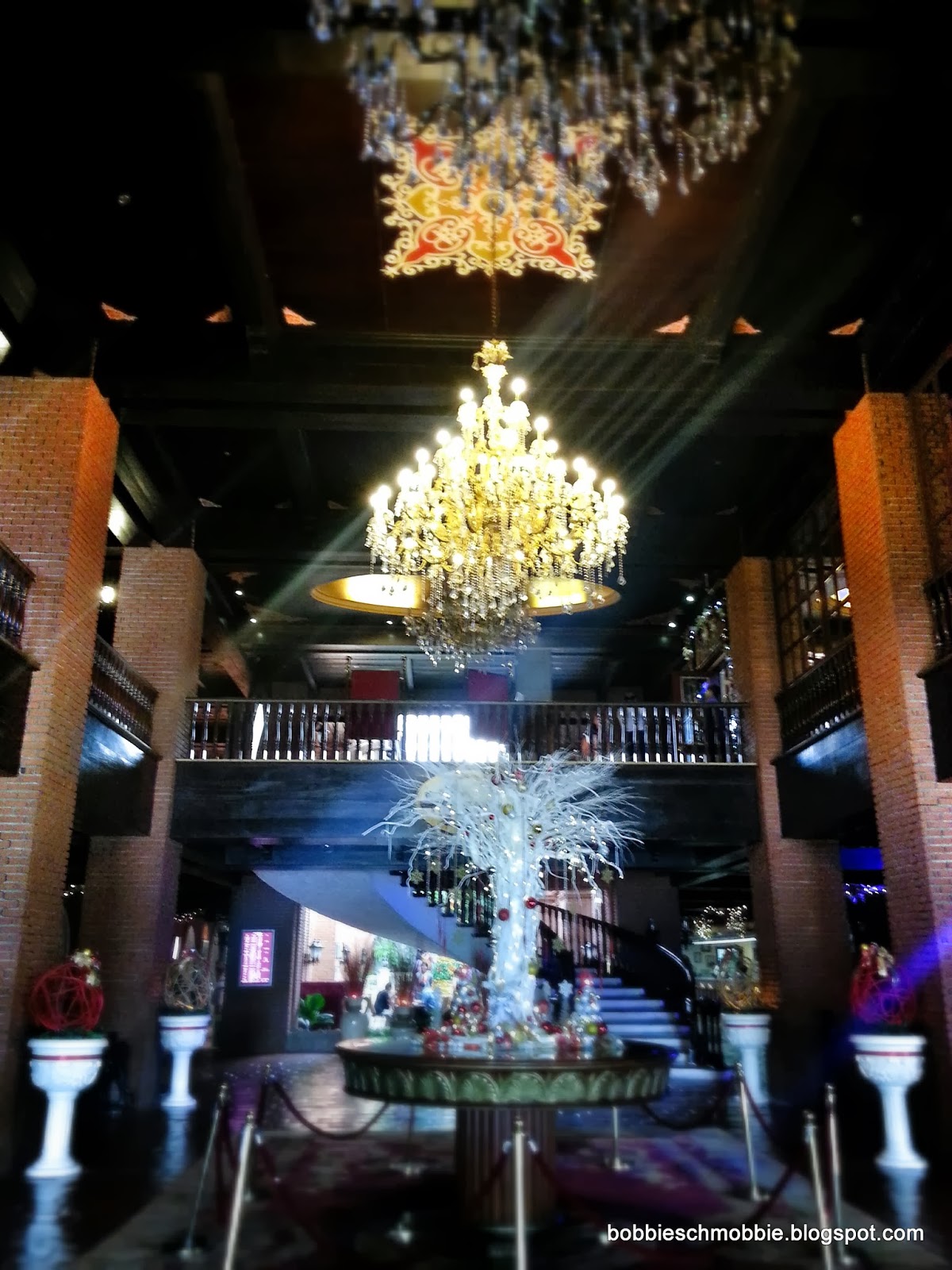
Fort Ilocandia


Fort Ilocandia


The place is open to tourists who want to take pictures and explore the grounds but, of course, there are certain parts of the place exclusive only to guests of the hotel.


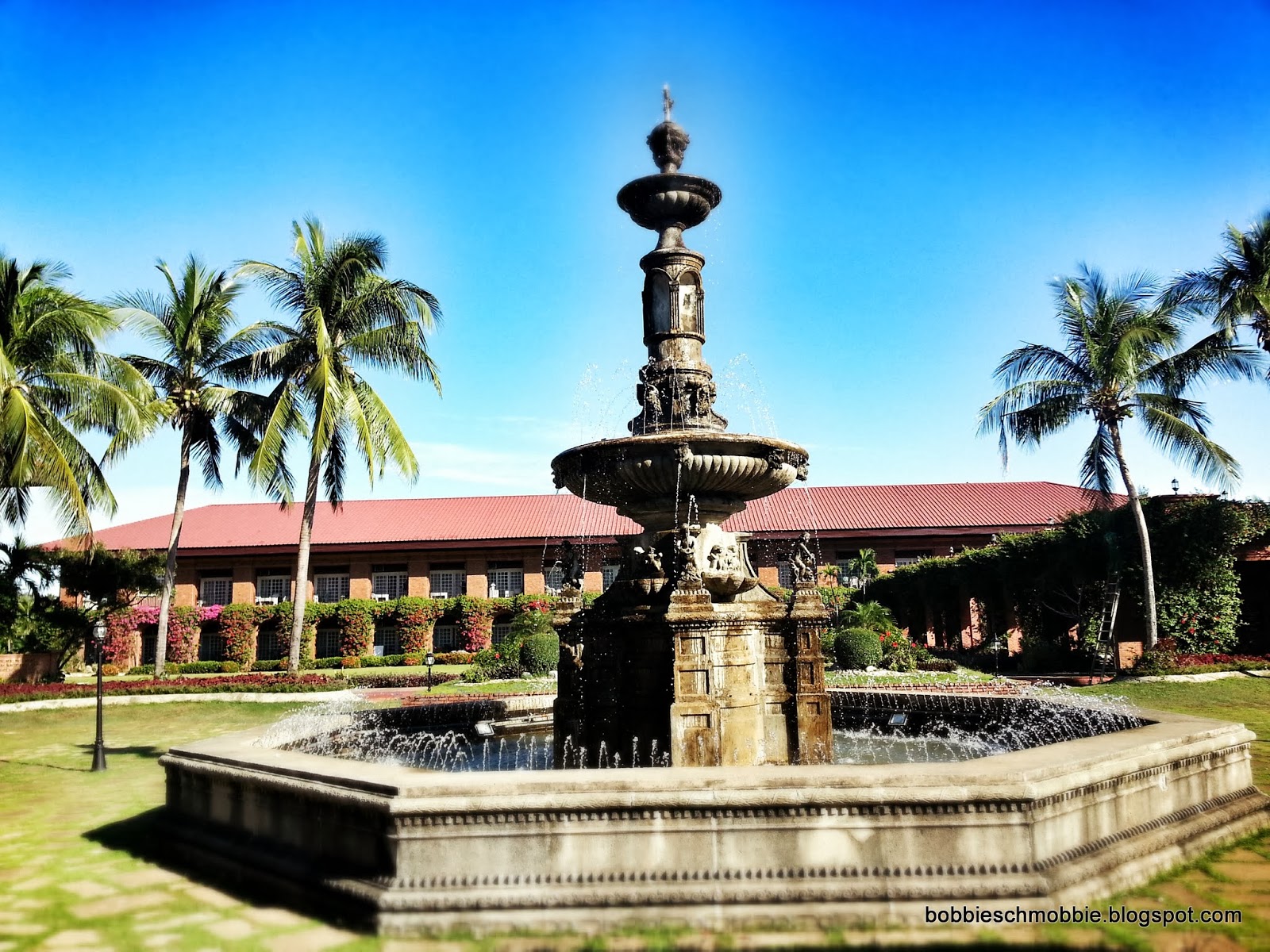
Fort Ilocandia

Fort Ilocandia


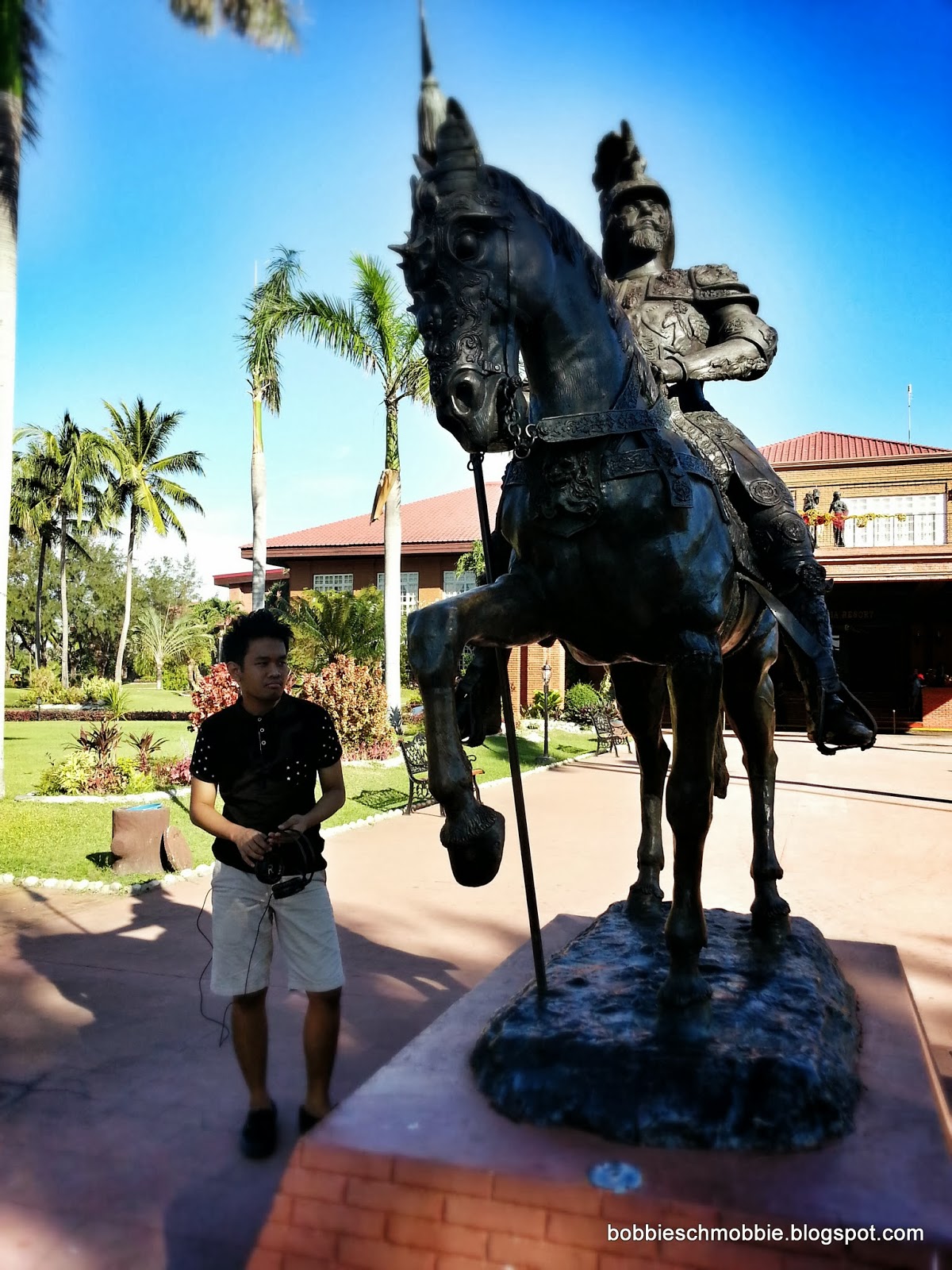
The resort complex also houses a casino, an upscale coffee house named "Cafe Ilocandia", function rooms, and a Golf and Country Club. There are statues, fountains, and endless grand staircases everywhere. On the walls are pictures and memorabilia of the late former president Ferdinand Marcos.

Fort Ilocandia

Fort Ilocandia


Fort Ilocandia


Fort Ilocandia


The place looks very grand and beautiful but I guess, I couldn't fully appreciate it because I was not a guest. If you're interested, you can visit their website here

Fort Ilocandia


The Romantic Allure of Paoay Church

The Church of Paoay, also known as the Church of Saint Augustine, whose cornerstone was laid on 1704, is one of the four remaining Baroque Churches in the country.  We got to the Church mid-afternoon and the place was breathtaking.

The Church of Paoay
Paoay Church grounds

The Church of Paoay


Its bell tower is detached and stands in its glorious gothic glamour few meters besides it. The wide vast grounds is littered with beautiful flowers (I'm sorry, I don't know what kind of flowers they are. If you do, please comment it. :D) and the vast grounds are calling out for a picnic.


The Church of Paoay


The Church of Paoay
The cobblestone path leading to the Church's entrance

And behold, we laid our eyes on the stunning Church of Paoay. Aside from its resplendence, another thing that will catch your eye are the thick Gothic buttresses that run along its sides. Buttresses are structures built agains the wall which supports the Church. Hence, a "fortress".

This is probably the most romantic Church I have ever laid eyes on, with its mix of gothic, baroque, and oriental structure. For those of you who does not know what a "Baroque architecture" means. This entails that the churches structure resembles a fortress. This is especially noteworthy for the Paoay Church because of its adaptation to European Baroque architecture which served as its protection from earthquakes. 


The Church of Paoay


The Church of Paoay
Paoay Church Interior

This Spanish-era church was designated as a UNESCO World Heritage Site because of its cultural significance.  Its tower was also used as an observation post by Katipuneros during the revolution and by guerilleros during the Japanese Occupation. Okay, that does not sound very romantic but, my point is, it is one of the most impressive and elegant Church I have ever seen.


The Church of Paoay


The First Glimpse of the Past: Ferdinand Marcos

Ferdinand Marcos is one of the most famous sons of the Ilokos region. Probably, one cannot find a Filipino who doesn't know who he is. Former president of the Philippines and dictator, along with being fiercly intelligent and aggressive in his political reign, his name almost always often represented the villainous dictatorship in the Filipino context. Although recently, I have been noticing a lot of bold, some may call it brazen, Marcos fanatics' sentiments emerge from social media. I don't claim to have the slightest clue about politics and the people, but I wondered if some are suddenly realizing how "good" the social system was during his time in comparison with the present. I don't have the slightest clue about politics, but I know whatever "good" this regime brought, it cannot outweigh the horrors it contributed to history.
I aplogize. I digress: this is not a blog about political agendas and analyzation of how Filipinos view and treat politics. A few years after his exile spent in Hawaii, Marcos died of lung, kidney, and liver complications. The government of President Corazon Aquino denied his return to the country thus, his remains was kept sealed in an air-conditioned mausoleum on Oahu, Hawaii. When Fidel Ramos became Aquino's successor, President Ramos granted permission for Imelda Marcos to bring her husband's body back here in the country. But she demanded that he be buried in the National Heroes Cemetery in Manila. President Ramos denied her insistence. Until such a time comes that the government will yield to Imelda's demands, the Marcos family had Ferdinand Marcos' body preserved and sealed in his hoemtown, Batac, Ilocos Norte for public display. And that was where we woke up to one hot and sunny afternoon in Batac City.

Marcos Museum and Mausoleum

Marcos Museum and Mausoleum


A Quiet Visit at the Burnayan Pottery

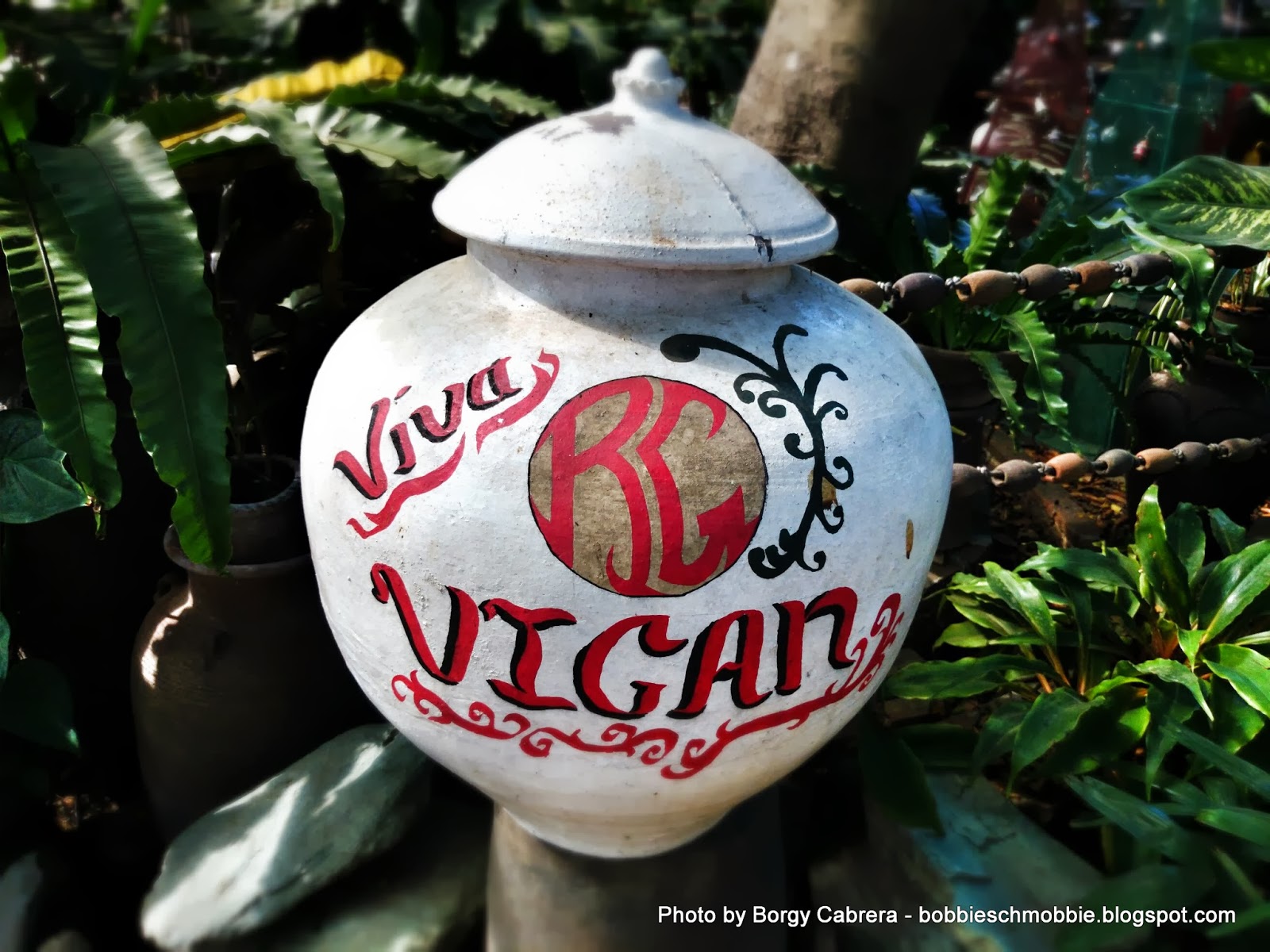
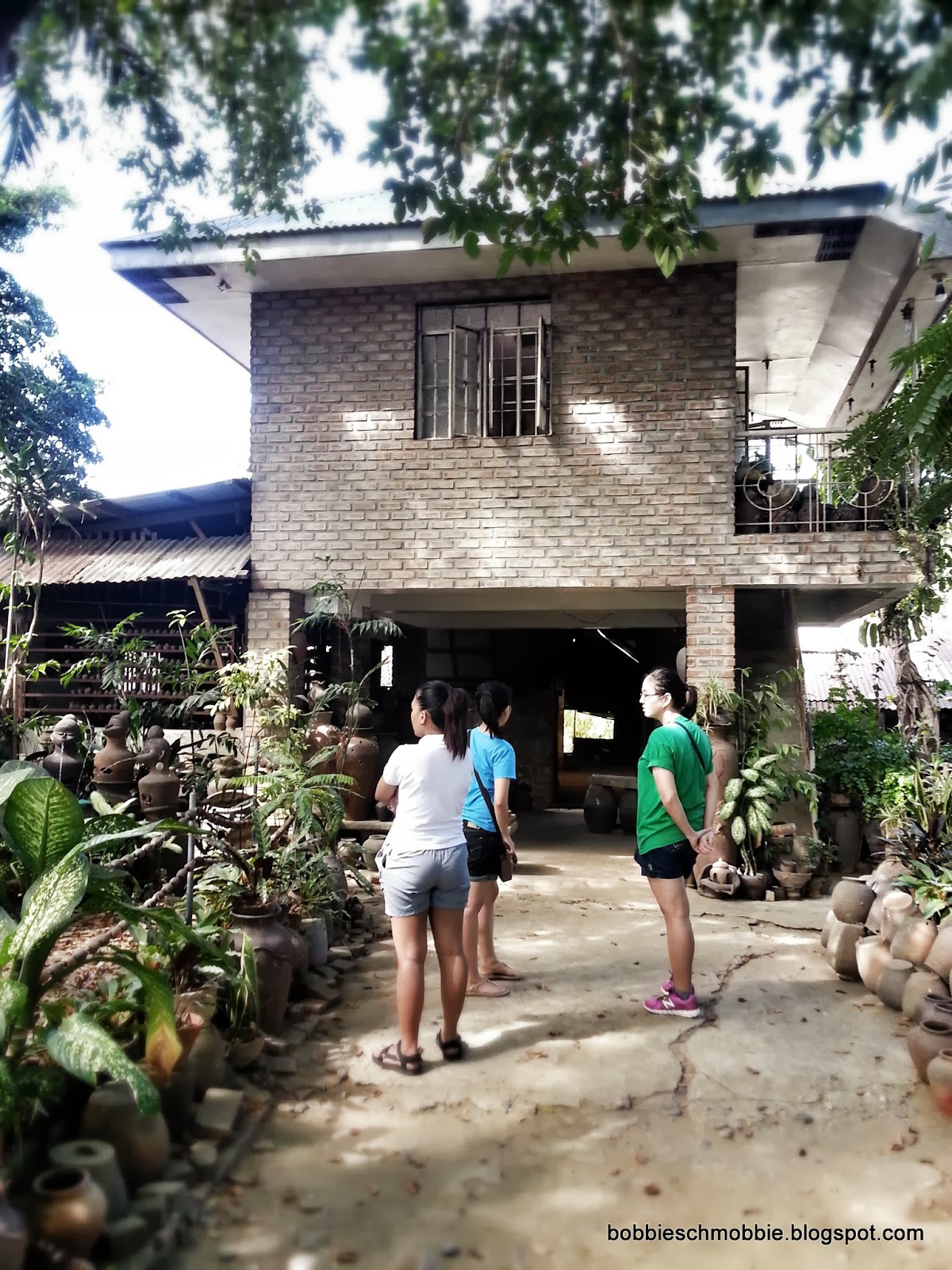
After our hearty meal at The Hidden Garden, our driver, Kuya Allan, took us to visit the Vigan Pottery or what is locally called "Burnayan". The term comes from the word "burnay" which is what the earthenware used is called.

Burnayan Pottery, Vigan
Vigan Burnayan

Burnayan Pottery, Vigan


A Peek at Baluarte


One of the first sites we visited in Vigan was Chavit Singson's privately owned Baluarte. The word "Baluarte" translates to fortress. When people speak of Vigan, it is almost always associated with Mr. Singson's Baluarte. The Baluarte is a privately-owned resort with areas open to the public like the mini zoo. They have lions, Bengal tigers, peacocks, ostriches, iguanas, pythos, and other endemic animals.

As you've figured, after the long hours of travel over night, we're probably on the threshold of our energies when we got there. We were a bit cranky and a bit devoid of energy. Nevertheless, it was as good as it got. We got there a few minutes after the place opened and very few tourists are around to crowd the area. The place was, generally, clean and well-kept. Props to Mr. Singson for that and the few staff were all friendly.

Baluarte, Vigan, Ilocos Sur
Baluarte


Battles in Bantay

It was a glorious Friday morning when we arrived at the warm province of Ilocos Sur. The skies are bright with a few clouds here and there.

After 9 hours of travelling and finding impossible sleeping positions in our rented van, it was a relief to finally get some fresh morning air. Thankfully, along with fresh air is a majestic view.

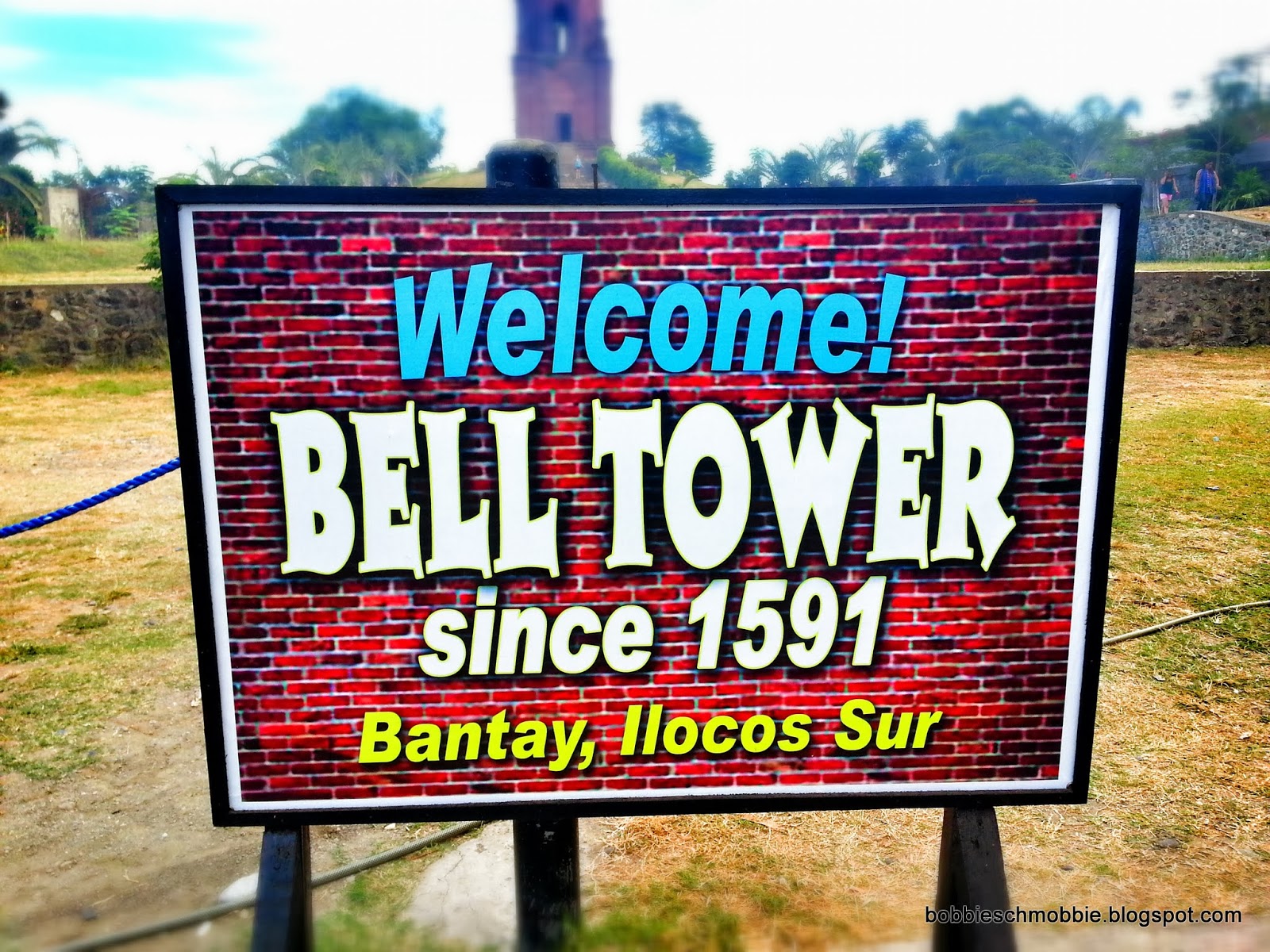
Bantay Belfry


Baguio's Keepsakes and Mementos

Filipinos are familiar with buying souvenirs and pasalubong whenever vacationing out of town. Since Baguio is one huge treasure trove of cool relics and mementos, we looked for the best and memorable souvenirs we can find.

Technically, it's not a souvenir but still, it's an authentic Baguio experience. For the first time, I've tasted the strawberry taho or soy pudding (a Philippine snack food made of fresh silken tofu, syrup and flavoring, and tapioca pearls)! :) I bought strawberry taho twice: first time was when we went biking around Burnham Park and; the last time, when we went to the Pink Sisters Convent. There were a big difference between those two taho I've tasted. The first one was extremely sweet that, I think, majority of what I've tasted was the heavy syrup. The second one was better. You can perfectly taste the flavor because it has strawberry bits.

Strawberry Taho at Burnham Park
Strawberry Taho at Pink Sisters Convent


Baguio, An Artist's Haven

Baguio is known as one of the best-loved home of the country's free-thinking artists. Ben Cabrera, Butch Perez, Kidlat Tahimik, Narda Kapuyan and Kigao, to name a few. Maybe it's the climate or maybe it's the amazing mountain setting which gives you an astonishing vantage point of nature every day. Probably it's because of the Baguio Arts Festival held annually. Whatever the reason, the city has been an artful delight for travelers and art enthusiasts.

Among the various places where Baguio's artists have established their outlets of creativity, Borgy and I have visited the most popular and frequently featured Tam-awan Village and BenCab Museum. 

Spirituality in Baguio


A vacation wouldn't be such without any sight seeing. As accustomed by many Filipinos, due to our religious disposition and the country's plentiful hirstorical and religious sites, a trip to at least the nearest or most famous church in town is always included on our travel plans. And because of the unequalled landscape and climate of Baguio City, religious sites are even more interesting.

Café Sabel, An Artwork Cafe

Café Sabel
Café Sabel
In my humble view, one of the best and hardest expression of art is through food. Presentation and plating is just the cherry at the top but, the taste, history, and the perfect amount of creativity poured into every dish gives it more flavor and interest. That was why I've eagerly included dining at BenCab Museum's Café Sabel to our Baguio itinerary.

Café Sabel is an in-house café of BenCab Museum located at its ground floor. You won't be able to enter the café without having to enter the museum first. 

Blissfully Curious at Baguio's Bliss Cafe

Bliss Cafe is probably one of the most interesting restaurants I've eaten in. This fine dining vegetarian restaurant is run on Buddhist principles and has an intriguing set up.

Located inside Hotel Elizabeth, Bliss Cafe has been a food-spot wonder for the youth and the mature.

Bliss Cafe Baguio
Bliss Cafe Baguio

The place is inspired by the Buddhist principle of relaxation, serenity and inner peace. Bliss was established in July 2004 and had become quite a home for the vegetarian and yoga-enthusiasts.

Cozy and Cultural Solibao

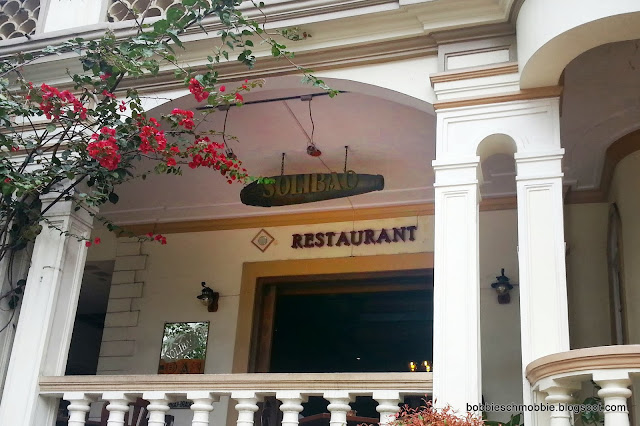
Solibao is a homegrown food establishment which serves Filipino food since 1972. Currently, Solibao has five outlets in Baguio City. One branch stands out due to the cultural ambiance it presents, as it is located within the esteemed and homely walls of The Heritage Mansion. And this place was our first food stop when we arrived in Baguio. 

Solibao Restaurant
Solibao Restaurant

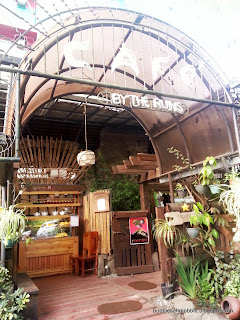
The Famous Café by the Ruins

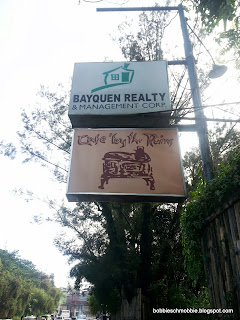
Cafe by the Ruins is located along Shuntug Road, in the middle of Baguio City. It is tucked between the larger establishments around the area. At first, you'd barely notice it if it were not for the small sign hanging from their gates.

Café by the Ruins
Café by the Ruins
Café by the Ruins
Café by the Ruins

Mood for Meat @ Ketchup Food Community's Canto

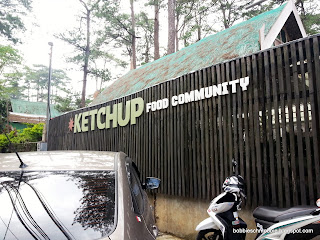
Located within the lush greenery of Wright Park, stands an unobtrusive place called the Ketchup Food Community. From here, Borgy and I came across the cheapest and most heavenly BBQ ribs we've ever tasted.

Ketchup Food Community
Food Establishments